Keeping the Flock Together: A Ride Leader’s Field Guide to No-Drop Sundays
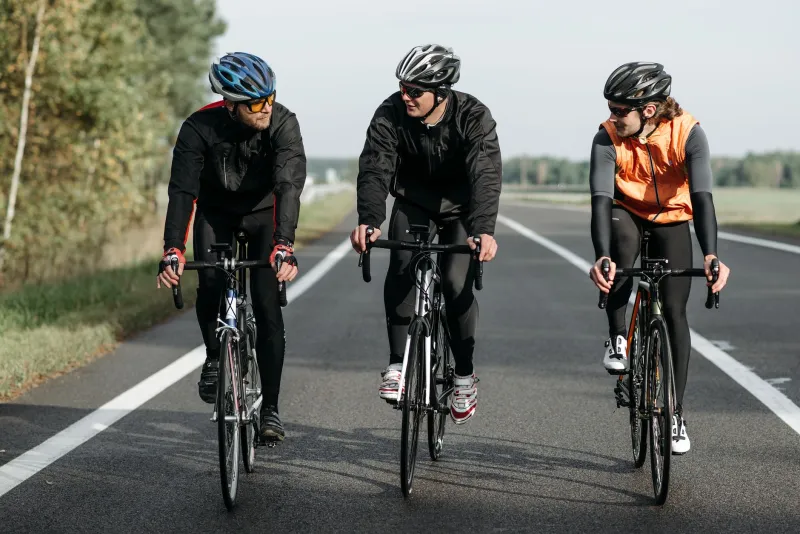
The phrase “no-drop” gets used loosely in UK cycling. Sometimes it means a genuinely inclusive ride where the group stays together. Sometimes it means a ride that is slightly slower than the fast one, until the first hill, at which point it becomes a selection race with a café stop at the end. The difference matters, because riders who turn up expecting the first thing and get the second tend to not come back.
A no-drop ride is not a vibe. It is a design problem. If you want everyone to finish together, you have to plan for it, lead for it and occasionally have slightly awkward conversations for it. The good news is that it is entirely doable on ordinary UK lanes, with ordinary riders and no support vehicle.
Start with the route, not the average speed
Most no-drop rides fail before anyone clips in, because the route was chosen for the strong riders and then softened with a vague promise to “wait at the top”. A better approach is to choose a route that gives the group options to stay together.
Look for lanes with regular junctions, villages with a bench or a bus shelter, and climbs that are short enough to regroup without the front group freezing. A route that strings together three 15-minute climbs is harder to manage than one with six five-minute rises, even if the total elevation is similar. The pace can be gentle; the geography still matters.
Also think about the road surface. A no-drop group spreads out more than a tight chaingang, so a route that is all narrow, blind bends and fast B-roads will make it harder to keep an eye on everyone. Canal towpaths, quiet lanes and reasonably surfaced cycle paths are your friends. If you must use a busy road, plan where the group will reform before the traffic, not after.
Regroup points are the whole game
The single most useful thing a no-drop leader can do is decide, in advance, where the group will stop and wait. Not “somewhere after the hill”, but a specific place: the village hall car park, the lay-by before the junction, the bench outside the church.
Put enough of them in. A regroup every 20–30 minutes on a hilly route is not excessive. On a flat route, you can go longer, but do not leave it to chance. The point of a regroup is not just to let slower riders catch up; it is to give everyone a chance to check in, adjust clothing, eat something and remember why they came out on a Sunday morning.
Make the first regroup point early — within the first few miles. That sets the tone. It tells the group that this is a ride where waiting is normal, not a favour granted by the fast riders.
Speed discipline is a leadership skill
A no-drop ride often has a wide range of abilities. The temptation is to let the strongest riders set the pace and assume the group will sort itself out. It will not. The leader needs to set a pace that is sustainable for the slowest rider on the day, not the average of the group.
That means riding at the back sometimes. It means asking “how are you doing?” rather than “are you okay?”, because the second question invites a polite lie. It means noticing when someone is working harder than they should be on the flat, or when a rider has gone quiet in a way that suggests they are struggling rather than content.
It also means being willing to slow the front. If you are the leader and you find yourself on the front with two strong riders, you are not leading the ride; you are leading a breakaway. Drop back, sit up, and let the group reform.
Hill etiquette: wait at the top, not halfway
Hills are where no-drop rides are made or broken. The strong riders will naturally pull ahead. That is fine. What matters is what happens next.
Wait at the top. Not at the bottom, not at the next junction, not “where the road widens”. At the top, where the slower riders can see you and know the climb is over. If it is cold, put a jacket on. If it is raining, find shelter if you can. But wait.
On the way up, give slower riders space. Do not sit on their wheel breathing heavily, and do not offer unsolicited coaching unless they ask for it. A cheerful “no rush, we’re waiting at the top” is usually enough. If someone is walking, that is fine too. No-drop means no-drop.
The rider who insists they are fine
Every ride leader eventually meets the rider who is clearly not fine but insists they are. They are pale, they have stopped eating, they are breathing hard on the flat, and they say “I’m fine, honestly” in a voice that suggests they would rather be anywhere else.
Handle it quietly and early. Do not make a scene in front of the group. A simple “I’m going to stop for a minute to eat something — keep me company?” gives them a face-saving reason to stop. If they are cold, offer a spare layer. If they are bonking, offer food. If they are injured, stop the ride and sort it out.
The key is to act before it becomes a crisis. A no-drop ride is not a medical service, but it is a group activity, and the leader has a duty of care. If someone needs to go home early, make sure they know the route back or, better, send someone with them. Do not leave a struggling rider to find their own way on unfamiliar lanes.
Practical habits that make it work
A few small habits make no-drop rides much easier to lead.
- Brief the group before you set off. Say clearly that it is a no-drop ride, where the regroup points are, and what the pace will feel like. Ask if anyone is new or has any issues. Keep it short.
- Use a sweep. If you have enough riders, appoint someone to ride at the back. The leader stays near the front but checks in; the sweep makes sure no one is left behind.
- Share the route. A GPX file or a simple list of villages is enough. Riders who know where they are going are less anxious and more likely to enjoy themselves.
- Have a café plan. Book ahead if you are a large group, or at least check the opening times. A no-drop ride that arrives at a closed café is a mutiny waiting to happen.
- Finish together. The last mile should not be a sprint. If the group has stayed together all day, do not abandon the principle at the town sign. Roll in as a group.
No-drop is a promise, not a pace
The best no-drop rides are not the slowest ones. They are the ones where the leader has thought about the route, the regroup points and the people. They are the ones where the strong riders still get a workout on the front, and the newer riders still feel like part of the ride rather than a problem to be managed.
That takes a bit more effort than simply advertising a lower average speed. But it is worth it, because a genuinely inclusive ride builds a club faster than any fast ride ever will. Keep the flock together, and they will come back next Sunday.