The Loop Hasn’t Changed — You Have: A Late-Autumn Ride Reset
There’s a particular moment in late autumn when a route you know inside out starts telling fibs. The same lanes, the same café, the same lumpy bit past the farm — yet the whole ride feels stickier, slower and altogether more serious. You haven’t suddenly lost your legs overnight. The ride has changed around you.
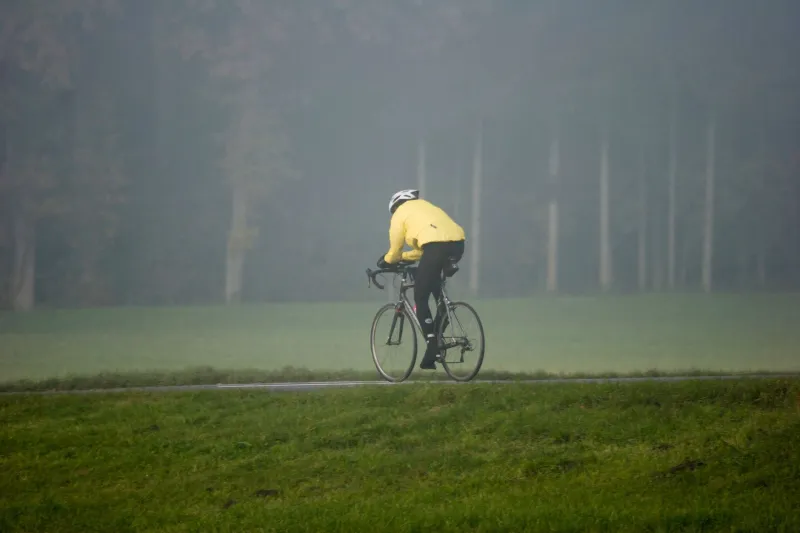
By the second weekend of November, the UK has usually settled into that low-sun, damp-road, gloves-on routine. It’s not full winter yet, which is exactly why it catches people out. You leave the house dressed for a crisp morning, hit a shaded lane that hasn’t seen daylight since Friday, and spend the next hour alternating between overheating on the climbs and fumbling for a zip on the descents. No wonder the average speed looks disappointing.
Why the same route asks more
Cold air is only part of the story. Yes, denser air adds a little aerodynamic drag, and yes, breathing sharp morning air can feel less inviting than a mild June breeze. But the bigger shift is the stuff wrapped around the ride: thicker clothing, colder muscles, wet surfaces, lower light and a day that starts closing in before you’ve had lunch.
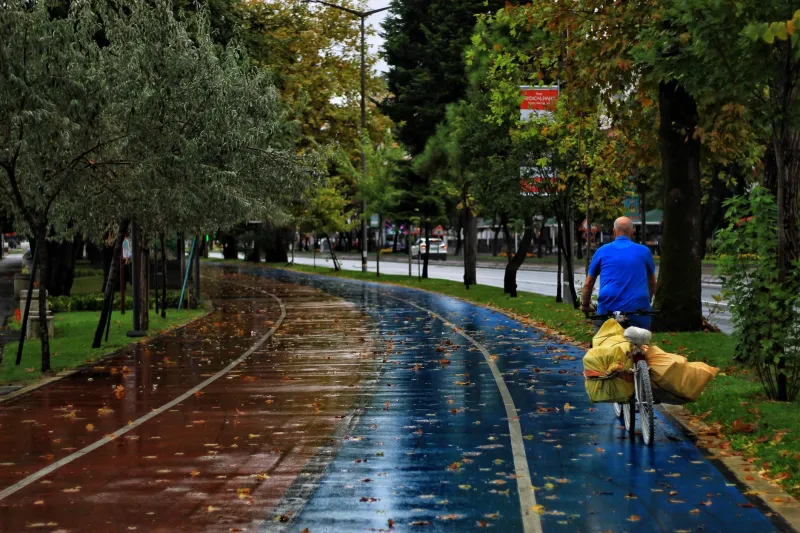
Extra layers add weight and bulk, and they can restrict movement just enough to make you feel less fluid on the bike. Wet roads increase rolling resistance, while grit, leaves and standing water ask for more concentration and gentler cornering. Low sun can turn a familiar descent into a squint-and-hope affair, and that tension in your shoulders and hands adds up over two or three hours.
Then there’s the daylight. A weekend route that felt relaxed in July can feel rushed in November because you’re watching the clock as much as the road. Fewer usable hours don’t just shorten the ride; they change the psychology of it. You ride a bit more defensively, skip the extra loop, and maybe push harder on the bits you do ride because you’re trying to fit the same experience into a smaller window.
Dress for the ride, not the forecast
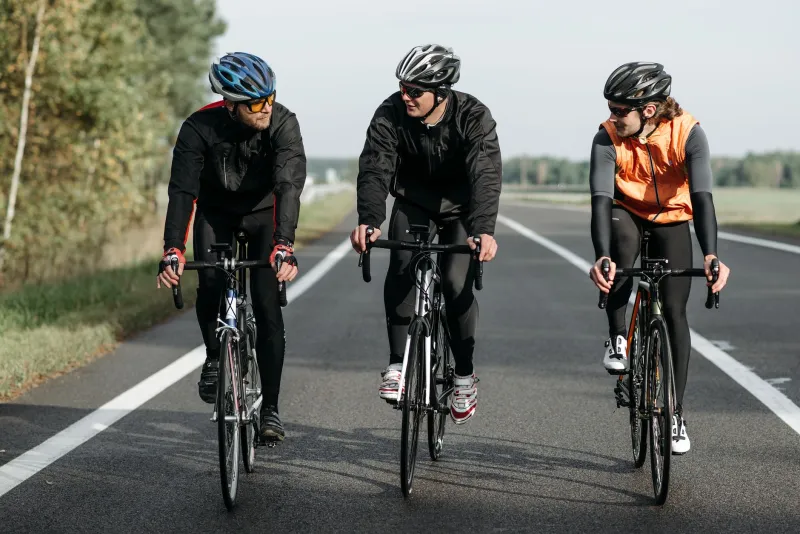
A good late-autumn layering strategy is less about staying cosy at the front door and more about staying comfortable ten miles in. Start slightly cool. Wear a breathable base layer, add a mid-layer you can live with on the climbs, and keep a packable shell or gilet for the long descents and exposed lanes. Gloves, a cap or headband, and overshoes can make a surprising difference to how hard the ride feels, especially when the wind picks up.
The aim is to avoid the boil-and-freeze cycle. If you’re sweating heavily on the first climb, you’ll chill quickly on the next descent. If you’re shivering in the first mile, you’ll ride tense and stiff. Adjust before you get uncomfortable: unzip on the ups, zip up before the downs, and don’t be too proud to stop and sort your layers out.
Tyres and the wet-road tax
Tyre pressure is worth a quick mention because it’s one of the few things you can change in five minutes that makes a real difference. In cold, wet conditions, many riders benefit from dropping pressure slightly — not to the point of feeling squirmy, but enough to put a little more rubber on the road and take the edge off the buzz from rough tarmac. Check pressures more often too. Cold garages and sudden temperature drops can leave tyres softer than you expect.
On wet lanes, grip and visibility matter more than chasing a personal best through a corner. Give yourself more room to brake, avoid painted lines and metal covers when you can, and treat patches of leaves as slippery until proven otherwise. The same goes for muddy farm junctions and gravelly back lanes, which seem to multiply in November.
Plan with the light, not against it
This is the month to build routes around the daylight you’ll actually have, not the daylight you’d like. A shorter loop ridden well is usually more satisfying than a long one ridden in a hurry as the light fades. Pick a café stop that opens sensibly, plan a bailout option such as a train station or a shorter return road, and charge your lights before every ride rather than assuming last weekend’s charge will hold.
Late autumn is also a good time to favour routes with easier escape routes and fewer remote descents. That doesn’t mean avoiding the quiet lanes — they’re one of the best things about UK riding in November — but it does mean carrying a little more margin. A few extra minutes of daylight in hand is worth more than an extra mile on the computer.
The November pace check
If you want a simple way to reset expectations, try this on your next weekend ride. It takes about twenty minutes and works on any familiar loop.
-
Warm up properly. Ride easy for the first ten minutes. Don’t chase the first rise or race the first descent. Let your legs and lungs catch up with the conditions.
-
Pick a familiar stretch. Choose a flat or gently rolling section you know well — ideally ten minutes long — and ride it at a pace where you can speak in full sentences without gasping. That’s your late-autumn benchmark.
-
Check in with yourself. Are your shoulders relaxed? Are you gripping the bars too hard? Are you dressed so that you’re cool but not cold? If you’re breathing through your mouth constantly on a stretch you could normally chat through, ease off.
-
Finish with something left. The aim is to get home feeling worked but not wrecked. In November, consistency beats heroics. A ride that leaves you keen for next weekend is a better result than one that leaves you reaching for the sofa for three days.
Reset the scoreboard
The most useful thing you can do this month is stop comparing November rides to summer ones. Average speed is a blunt instrument at the best of times, and it’s especially misleading when the roads are wet, the air is cold and you’re wearing half a wardrobe. Judge the ride by how well you paced it, how comfortable you stayed and whether you enjoyed the lanes rather than by what the computer says at the café.
The loop hasn’t changed. The season has. Ride with it, not against it, and November can still be one of the best months to be out on the bike — quieter roads, honest weather and a hot drink that tastes far better than it has any right to.