The Cold-Weather Kit Cull: What Earns Its Place in Your Saddlebag This Winter
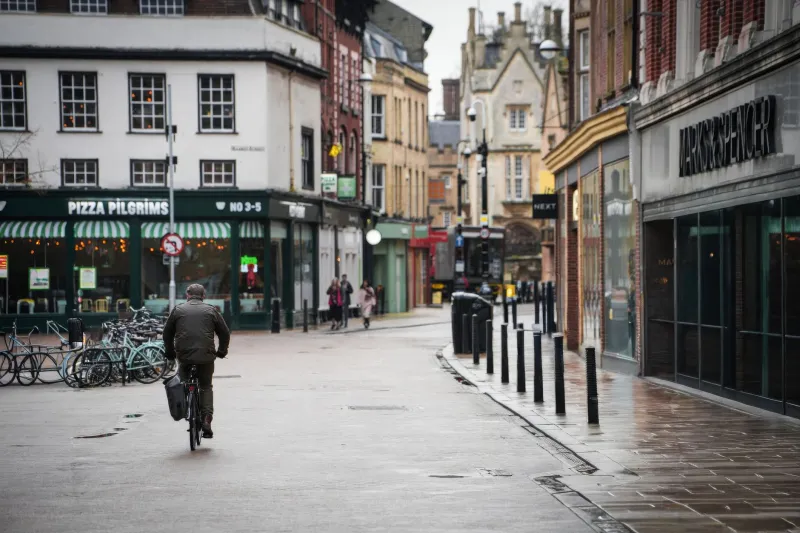
There is a particular sound a saddlebag makes on a wet British lane. It is not quite a rattle and not quite a slosh, but somewhere in between, like a small cutlery drawer being shaken by a tractor. Usually that sound means one of two things: you have packed for every possible disaster except the one you are actually having, or you have been carrying the same three energy bars since a mild afternoon in September.
Winter is when the saddlebag earns its keep. It is also when it quietly becomes a museum of good intentions. The aim here is not to strip your kit down to a single tyre lever and a brave attitude. It is to make sure that when you are stood on a cold verge with wet gloves and a fading rear light, the bag contains the things that actually get you home.
Start With the Problems You Actually Meet
A UK winter ride tends to serve up a familiar menu: punctures from hedge cuttings and grit, a chain that behaves badly after a wet week, bolts that loosen on rough lanes, hands that go numb long before the café stop, and a back that gets soaked by spray from a mate’s rear wheel. Pack for those problems, not for an imaginary expedition across a desert.
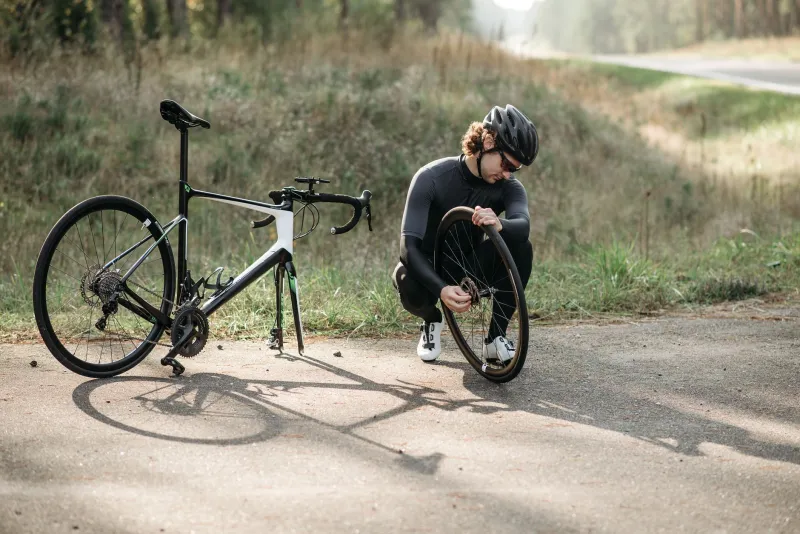
That means starting with the humble puncture. One spare tube in the right size, with the right valve length for your rims, is worth more than three mystery tubes of uncertain origin. Check it before you leave: is it still folded neatly, or has it been rubbed raw by a multi-tool? A tube that has spent two winters grinding against a chain link is not really a spare. It is a decoration.
The Core Kit That Earns Its Weight
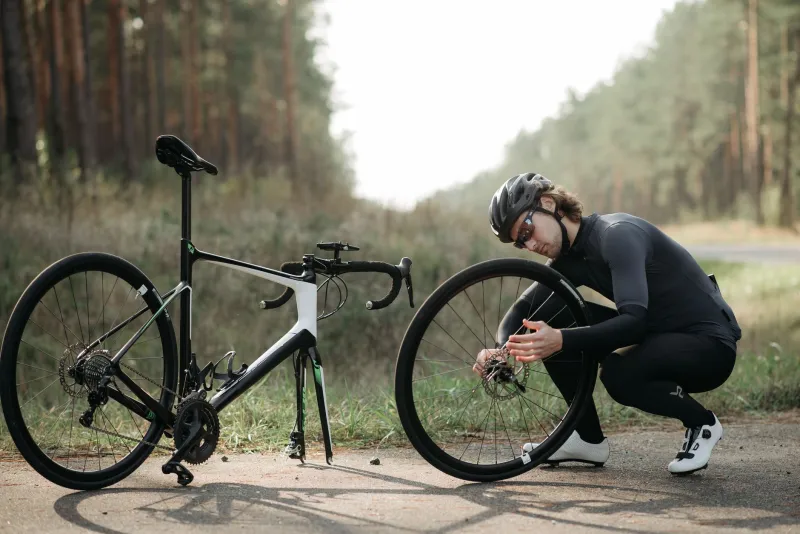
A sensible winter saddlebag for everyday UK miles usually comes down to a short, unglamorous list. A spare tube. Two tyre levers, because one lever is a rumour and two are a plan. A multi-tool with the bits your bike actually uses, including a chain tool if your setup needs one. A quick link for your chain speed. A tyre boot, or a folded piece of sturdy plastic, for the sidewall cut that would otherwise end the ride. A pump or CO2 inflator that you know works, not one you hope works.
Add a couple of cable ties. They weigh nothing and have rescued everything from a rattling mudguard to a loose bottle cage. A small snack is not optional in winter; cold and hunger make poor riding companions. A thin pair of spare gloves or a liner, plus a buff, can turn a miserable last hour into a manageable one. Keep the whole lot in a small dry bag or zip pouch so that when you open the saddlebag in the rain, you are not conducting an archaeological dig.
That is the core. It is not extravagant. It is simply the difference between a ride that continues and a ride that ends with a phone call and a very understanding partner.
The Habitual Passengers You Can Leave at Home
Most saddlebags contain at least one item that has never been used and never will be. A third inner tube for a bike you no longer own. A folding tool with eighteen functions, seventeen of which are for a different century of bicycle. Four CO2 cartridges for a two-hour club run. A spare derailleur hanger for a bike that is currently in the shed with a different groupset.
There is also the emergency rain jacket that is too heavy to wear and too small to fit anyone, the ancient energy bar that has become a geological specimen, and the spare socks that seemed sensible until you remembered you are never more than twenty miles from a café. None of these are crimes, but they add weight and clutter. A saddlebag should feel like insurance, not luggage.
Be honest about duplication. If you carry a multi-tool with tyre levers, you may not need a separate pair. If you always ride with a pump, you may not need CO2 as well. If your bike has tubeless tyres, your spares list will look different from a rider on tubes. The point is not to copy someone else’s packing list. It is to know your own bike and your own usual rides.
The Five-Minute Pack Check
Do this before a club run, a longer weekend ride, or simply when the bag starts making that cutlery-drawer noise.
First, empty the bag onto a dry bit of floor. Wipe out the grit. Grit is the enemy of tubes, valves and patience.
Second, inspect the spare tube. Is it the right size? Does the valve core look sound? Has it been rubbing against anything sharp? Refold it and put it in its pouch.
Third, check the tools. Are the allen keys the ones your bike needs? Is the quick link the correct speed and brand-compatible? Does the chain tool still turn? Have the cable ties gone brittle?
Fourth, test the inflation. Give the pump a few strokes or check that the CO2 head is not cross-threaded. A flat tyre is annoying. A flat tyre and a useless inflator is a character-building afternoon.
Fifth, think about warmth. Add gloves or a liner if the forecast is grim. Add a snack if you have been meaning to. Remove anything you have not used since the last pack check.
Sixth, close it properly. A saddlebag that lets in road spray is just a small washing machine for your tools.
Borrowing, Lending and the Group-Ride Handshake
Club runs and group rides run on goodwill, and goodwill runs on people returning spares. If someone lends you a tube, a quick link or a tyre boot, the deal is simple: replace it. Not eventually, not when you remember, but soon enough that they are not left short on the next ride. If you borrow a tube, note the size and valve type. If you borrow a quick link, buy the same speed and brand if you can. If you damage something, say so rather than quietly handing it back and hoping nobody notices.
If you are the one lending, be clear about whether it is your last one. There is no shame in saying you only have one spare and need to keep it. A group that respects that is a better group than one that expects every saddlebag to be a mobile bike shop.
And if you are rummaging in someone else’s bag, ask first. Even a riding mate with the best intentions can turn a neatly packed saddlebag into a jumble sale in thirty seconds.
A Small Bag, A Sensible Promise
The winter saddlebag is not about being prepared for everything. It is about being prepared for the things that actually happen on wet UK lanes, and being honest about the things that do not. Keep it light, keep it dry, check it before the ride, and return what you borrow. Then you can get back to the important business of riding, and let the bag make its little cutlery-drawer noise in peace.