Nod, Slow, Say Hello: The Towpath Code That Keeps Weekend Miles Friendly
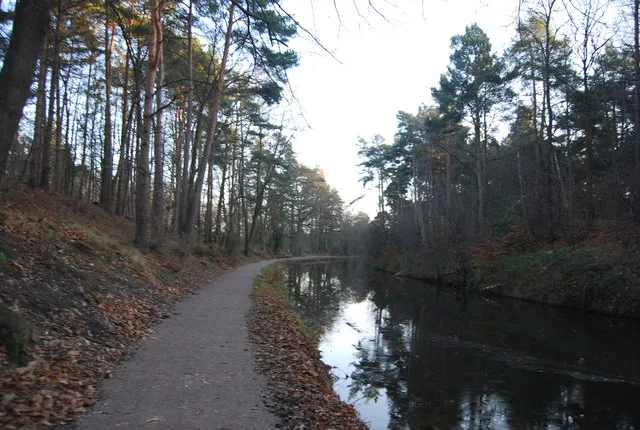
Photo: N Chadwick , CC BY-SA 2.0, via Wikimedia Commons
There is a particular kind of quiet on a canal towpath in late autumn. The water sits flat, the hedges are half-bare, and the only sounds are your freehub and a moorhen having a go at somebody. It is brilliant. It is also shared space, and the quickest way to ruin it is to ride as if the whole cut was built for your weekend miles.
Towpaths are not cycle tracks with a nice view. They are footpaths, fishing spots, lock-working zones, dog-walking routes and, yes, very good bike rides. The trick is to ride like a guest who has been invited back. That mostly means slowing down, saying hello and thinking a few seconds ahead.
Start with the surface, not the speed
The first unwritten rule is written into the ground. Towpath surfaces vary wildly: smooth compacted gravel in one council area, muddy ruts in the next, then a stretch of lumpy old tarmac that feels like it was laid by a committee of pigeons. A bike that feels fast on the road can feel twitchy on wet towpath, especially with narrow tyres and a firm grip on the bars.
For most weekend riders, something around 35–40mm with a little tread and sensible pressure is the sweet spot. You do not need a mountain bike, but you do want enough rubber to cope with gravel, tree roots and the occasional puddle that is deeper than it looks. Drop your tyre pressure a touch in the wet. It is cheaper than replacing a wheel and much cheaper than your dignity.
Also check the weather before you choose your stretch. A route that is lovely in a dry snap can turn into a mud bath after a week of rain. If the surface is clearly churned up, consider a different section or leave it for another day. Towpaths do not need another rider leaving a ten-metre skid mark by the lock.
Gates, bridges and the art of not being a menace
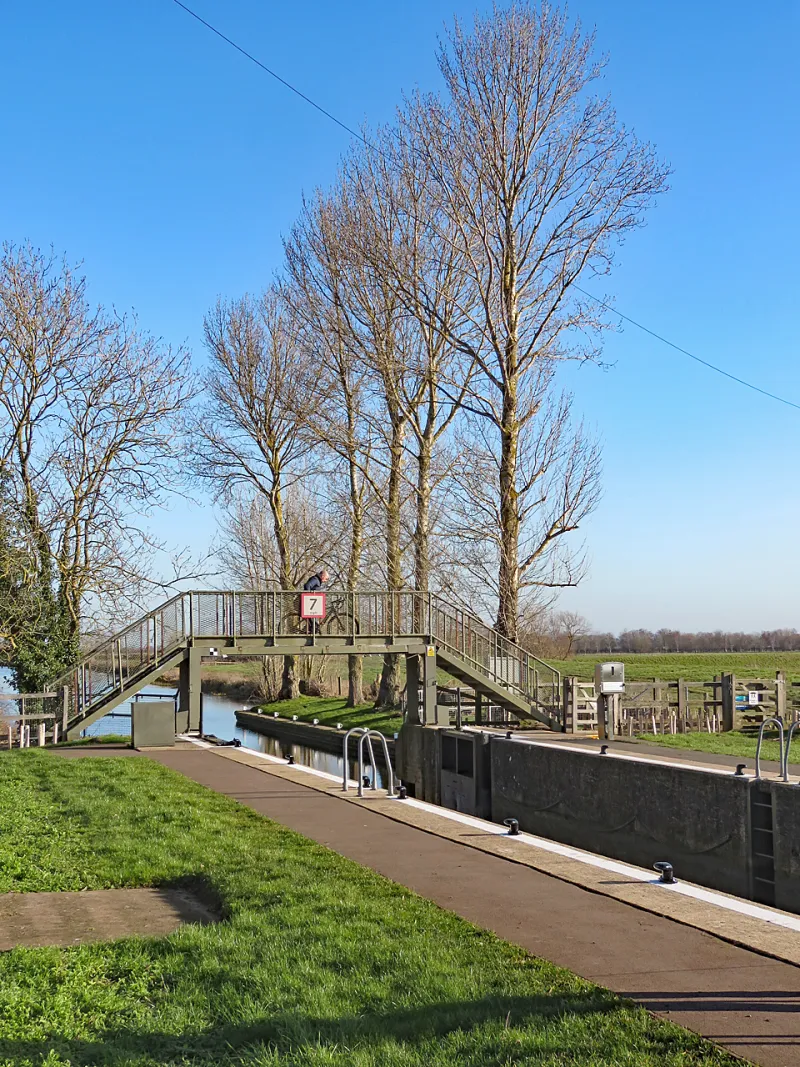
Gates are where towpath manners become very visible. Slow down early, not at the last second. If the gate is awkward, get off and wheel the bike through rather than trying to thread it like a circus act. And if someone is coming the other way, hold the gate for them. It takes two seconds and buys you a lot of goodwill.
Bridges are the blind corners of the canal world. Many are narrow, humped and placed exactly where you least expect a family with a pushchair. Ease off, look over the bridge if you can, and be ready to stop. A bell is useful, but a bell rung aggressively from three metres away is just a noise with a bad attitude. A friendly “morning” from a sensible distance works better.
At locks, give way and give space. Boaters are often busy with ropes, paddles and a boat that has decided to drift sideways for no reason. Do not nip through a lock gate opening just because it looks clear. Wait, nod, and let the people doing the work finish doing the work.
Walkers, dogs and the power of a calm voice
Walkers are the main users of most towpaths, and they have every right to be there. Approach from behind with a clear, pleasant warning. “Hello — just coming past on your right” is much nicer than a bell at close range, and it gives people time to gather a dog, a child or a wandering grandparent.
Slow to walking pace when passing. Give as much room as the path allows, even if that means putting a wheel near the grass. If a dog is on a long lead, assume it will do the least convenient thing at the worst moment. That is not anti-dog; it is just experience. Say thank you when people make room. It costs nothing and it keeps the atmosphere on the cut pleasant.
Anglers and boaters: leave the drama to the soaps
Anglers often have rods stretching across the path. It is not a trap; it is their fishing spot. Slow down, ask if it is okay to pass, and follow their lead. Some will wave you through; some will pull the rod back. Either way, do not ride over line, tackle or bait. Keep your voice low near pegs and give the bank a wide berth.
Boaters are part of the furniture — quite literally, in some cases. When a boat is mooring, working a lock or manoeuvring in a tight spot, pause and let it happen. Towpath riders sometimes forget that the canal is a working waterway as well as a pleasant backdrop. A cheerful “thanks” to a lock volunteer or a boat crew goes a long way.
Low winter sun and the lighting question
In November, the sun can sit right along the canal and turn the path ahead into a glare. That is exactly when a front light is not just for dusk. A modest daytime light helps you be seen by walkers coming the other way, especially under bridges and along shaded stretches. Fit a rear light too, particularly if your loop finishes near teatime.
Do not use a retina-melting beam on a shared path. You want to be visible and to see the surface, not to announce your arrival like a lighthouse with a grudge. Angle the light down, keep it sensible, and switch to a lower setting when passing people. Reflective details on your jacket, bag or ankles are a quiet win in low sun.
Plan a loop that ends at a proper café
A towpath ride is better when it has a purpose beyond “out and back”. Pick a stretch with a station at one end and a café within a mile or so of the other. That gives you an easy escape if the weather turns or the surface is worse than expected. Canal maps and local council pages are your friends here; check for closures, towpath works and any temporary diversions.
Aim for a loop that mixes canal with a short stretch of quiet lane or cycle path, so you are not doing the same view in both directions. And be honest about distance. Towpath miles are slower than road miles, especially with gates, bridges and a bit of mud. A relaxed 20-mile loop can feel like a 30-mile road ride by the time you have stopped for two gates, a dog and a lock.
End at a café that welcomes muddy shoes and has somewhere to lean a bike. You have earned it. Just remember the final rule: the towpath belongs to everyone, and the best riders are the ones nobody remembers having to dodge.